


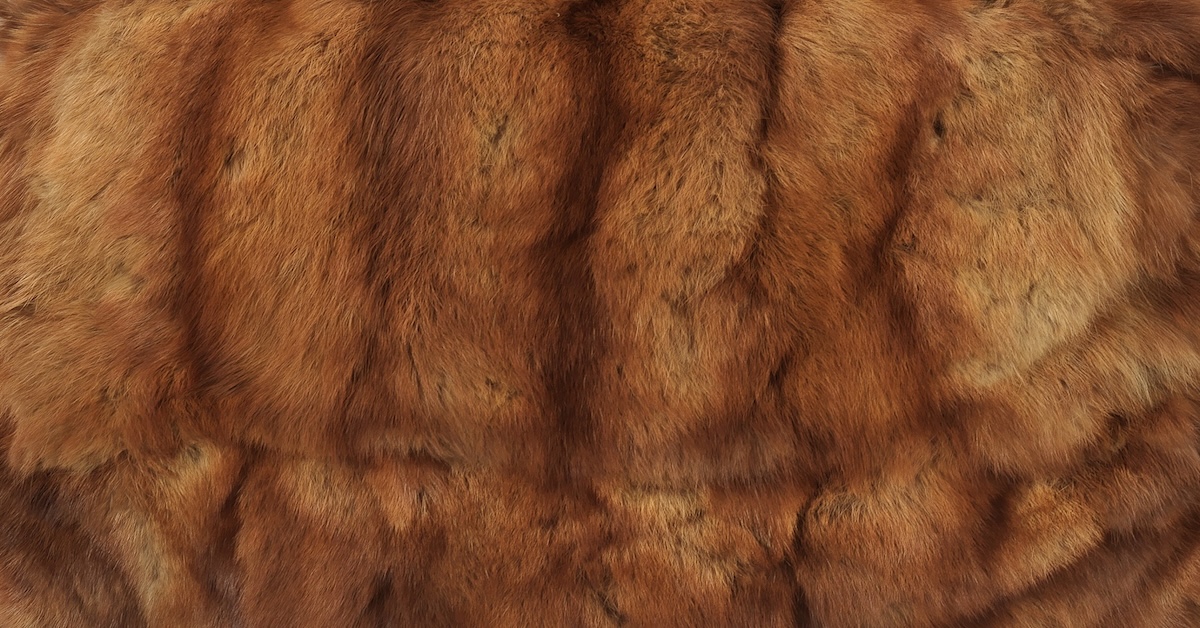
Northern Beaches Council has voted to ban the sale of animal fur products at market stalls and Council-owned venues following a divided debate during its meeting on Tuesday, 19 May.
The motion was introduced by Greens councillor Ethan Hrnjak, who argued the measure would be simple to administer because market compliance checks were already in place.
The new policy builds on other restrictions previously adopted by Council, including bans relating to live animal sales, single-use plastics and the use of 1080 poison.
During the debate, councillors heard concerns about the treatment of animals within the international fur trade, with supporters of the motion arguing Council should not facilitate the sale of products linked to animal cruelty.
Questions were also raised about how the policy would be enforced. Council’s administration noted it did not have the authority to seize products, though councillors supporting the ban suggested stallholders could instead be directed to remove suspected fur items from sale.
Supporters of the motion pointed to similar bans already adopted by several other NSW councils, including Canterbury-Bankstown, Inner West, City of Sydney, City of Newcastle and Blue Mountains councils.
Not all councillors supported the move. Pittwater Ward councillor Rowie Dillon argued the chamber was increasingly debating issues outside the core responsibilities of local government, particularly at a time when Council was managing budget pressures and a special rate variation process.
Despite the split debate, the motion passed after Northern Beaches Mayor Sue Heins used her casting vote to break a deadlock.
Animal welfare groups welcomed the outcome, describing the decision as part of a broader international shift away from fur products. Advocates pointed to growing global restrictions on fur farming and increasing numbers of fashion brands adopting fur-free policies.
The new ban applies only to Council-controlled markets and venues. It does not affect retail stores, as councils do not have the authority to regulate the sale of fur products in private retail settings.
The policy also includes an exemption for cultural practices involving Aboriginal and Torres Strait Islander communities.
Published 20-May-2026